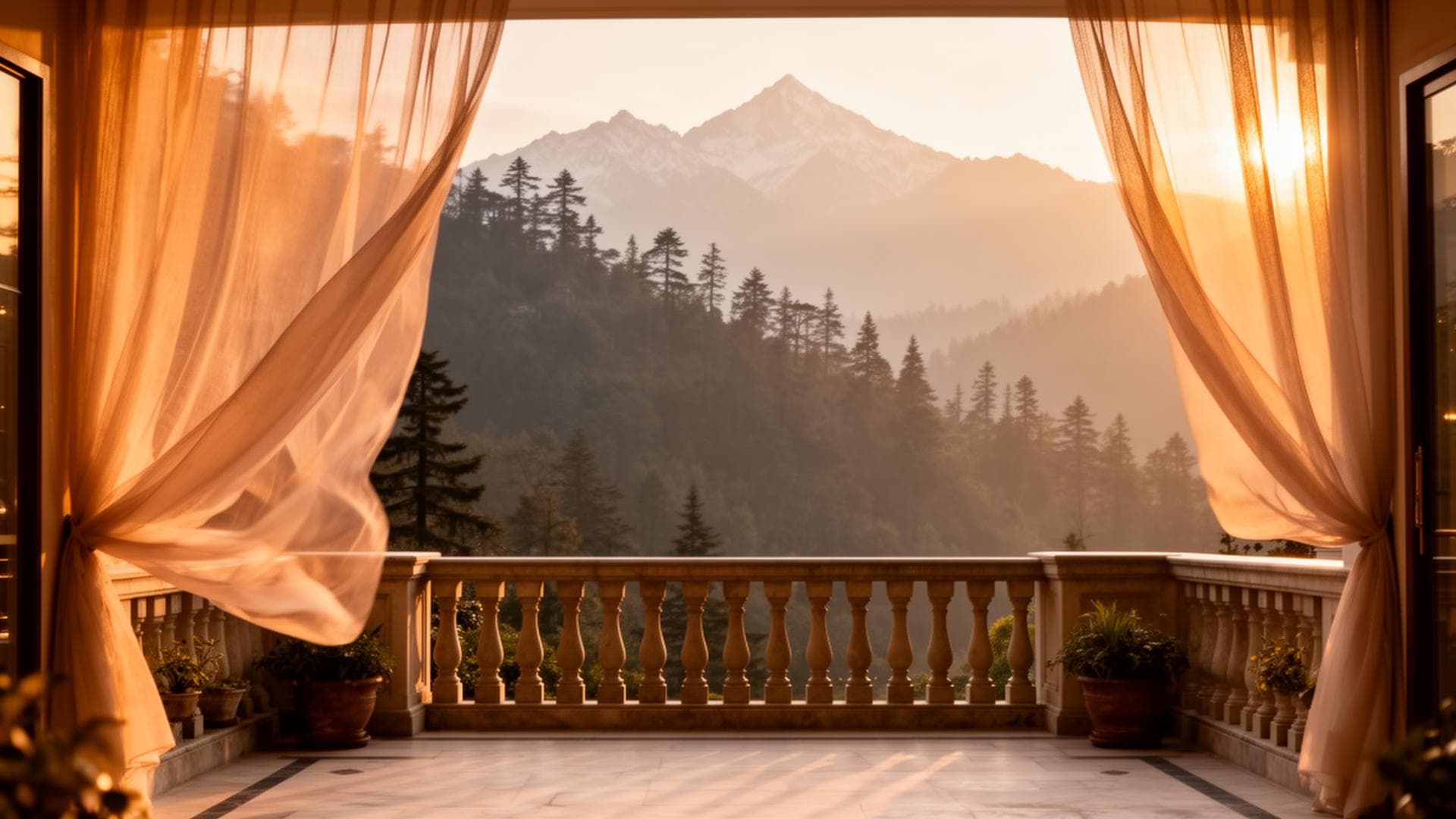
What makes the architecture of Himalaya Villas distinctive in Pakistan's mountain hospitality context?
Himalaya Villas & Resorts represents a deliberate architectural proposition — designing for the specific conditions of a sub-Himalayan forest setting at 6,800 feet while meeting premium hospitality requirements. The design addresses thermal performance (central heating, insulation, mountain-appropriate windows), view orientation (every villa maximises the relationship between interior and mountain landscape), landscape integration (the forest is continuous with the guest experience), and scale calibration (the 12-villa estate feels like a private property, not a scaled-down hotel).
Mountain Architecture in Pakistan — The Private Estate as a Design Category
Pakistan's mountain architecture has not historically been a distinguished category. The hill station buildings of Murree — the colonial-era heritage structures and the mid-century development that followed — represent a specific architectural moment rather than an ongoing tradition. Contemporary mountain architecture in the Murree hills and Galyat region has been largely undistinguished: practical construction responding to the residential and basic hospitality needs of the area without significant design ambition.
The private villa estate model at Himalaya Villas & Resorts in Bhurban represents a more deliberate architectural proposition — the attempt to design for the specific conditions of a sub-Himalayan forest setting at 6,800 feet while meeting the functional requirements of premium hospitality.
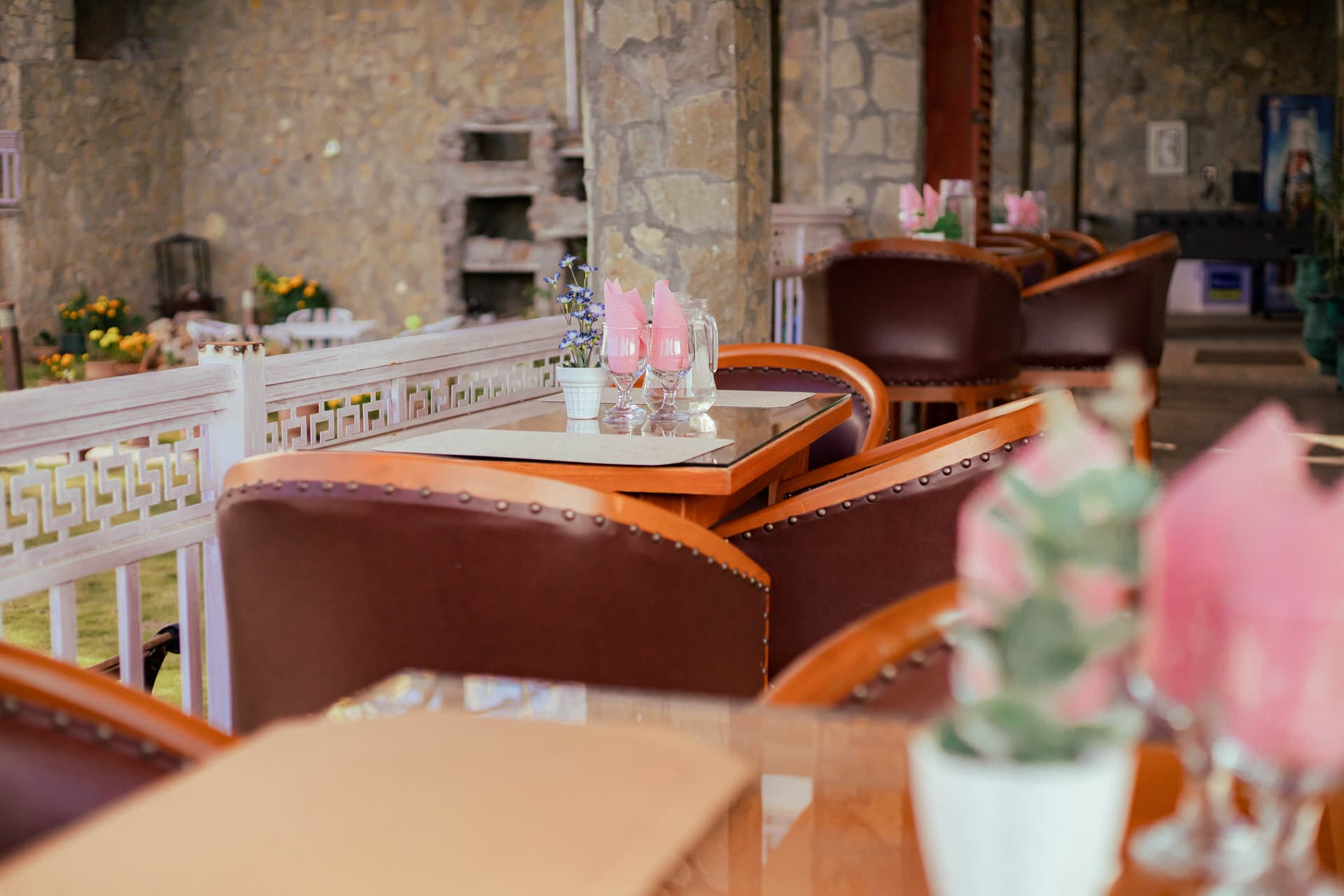
The Design Challenges of Mountain Hospitality
The Himalaya Villas Design Approach
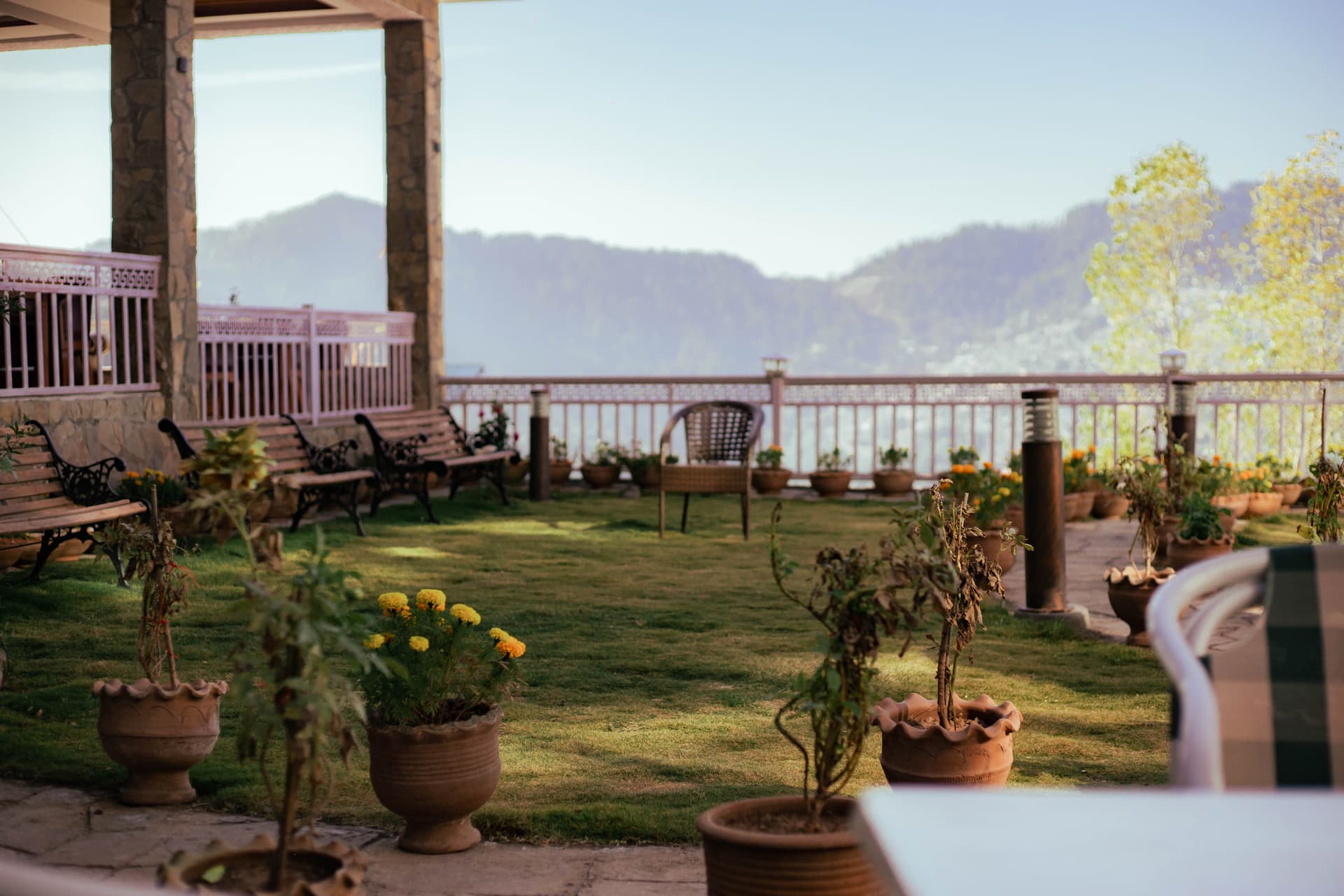
The 12 villas at Himalaya Villas are positioned to capitalise on the site's elevation and its relationship to the Murree ridge. The Himalayan Penthouse occupies the estate's highest point — its panoramic balcony positioned to give the widest possible horizon view of the ridge. The Presidential Suite's terrace jacuzzi is positioned on the hillside slope, giving the 270-degree view that a hilltop position makes possible. The Garden Villa Retreat's ground-floor garden access is designed to make the cedar forest a direct extension of the living space rather than a view from it.
The villa interiors are designed for the mountain context: warm materials (wood tones, stone), floor-to-ceiling windows that make the exterior landscape continuous with the interior environment, and heating systems that maintain comfort through Bhurban's full temperature range.
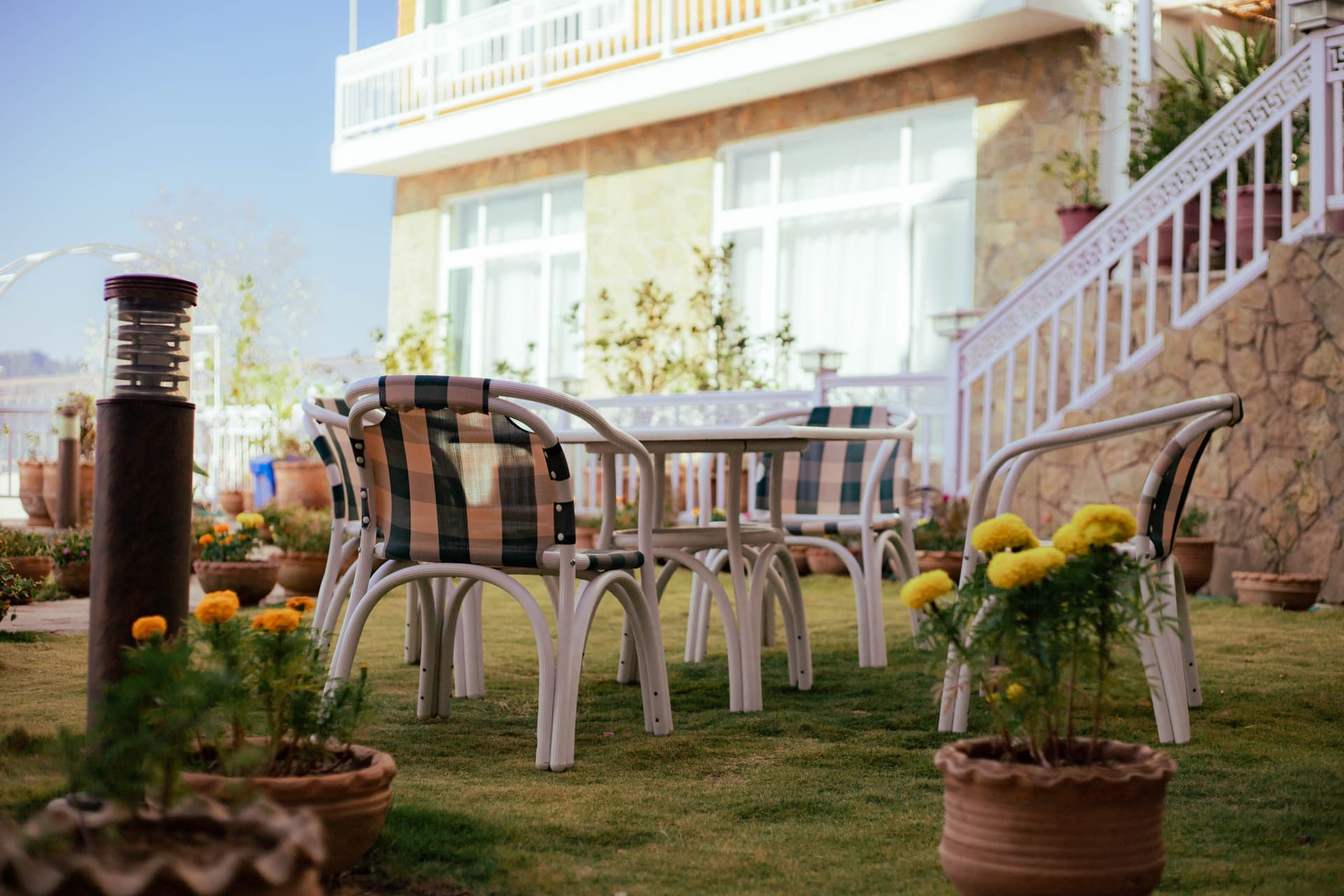
The Outdoor Spaces as Architecture
In a private mountain estate, the outdoor spaces are not amenities — they are the primary architectural proposition. The cedar garden and fire pit are not garden furniture set in a landscaped area; they are the natural forest minimally arranged for human gathering. The philosophy is restraint: a cedar forest at 6,800 feet does not require enhancement. The design question is how to provide human-scale gathering spaces within it without diminishing the forest's character.
The fire pit in the cedar garden — a stone-edged outdoor hearth at the level of the forest floor, surrounded by mature cedars, with the mountain sky visible above — is the estate's most successful architectural intervention: small, functional, and entirely respectful of the dominant aesthetic of the existing forest.
The Broader Implication
Pakistan's mountain hospitality architecture has significant untapped potential. The landscape assets — the Murree hills, Nathia Gali, Shogran, the broader Galyat chain — are extraordinary. The design response has been, historically, conventional. The private estate model that Himalaya Villas represents, with its specific attention to view orientation, landscape integration, and scale calibration, offers a template for how premium mountain hospitality architecture might develop in Pakistan.
The question for Pakistani architects and developers is whether the Himalaya Villas model is replicated with the same design ambition in other mountain locations, or whether the development pressure that affects every accessible mountain area in the country produces the conventional construction that degrades the very landscape assets that make the destination valuable.
Himalaya Villas & Resorts
Private cedar estate in Bhurban — a mountain hospitality architecture case study.
Experience the architectural design firsthand.
Visit himalayavillas.comBook your stay and experience the architecture.