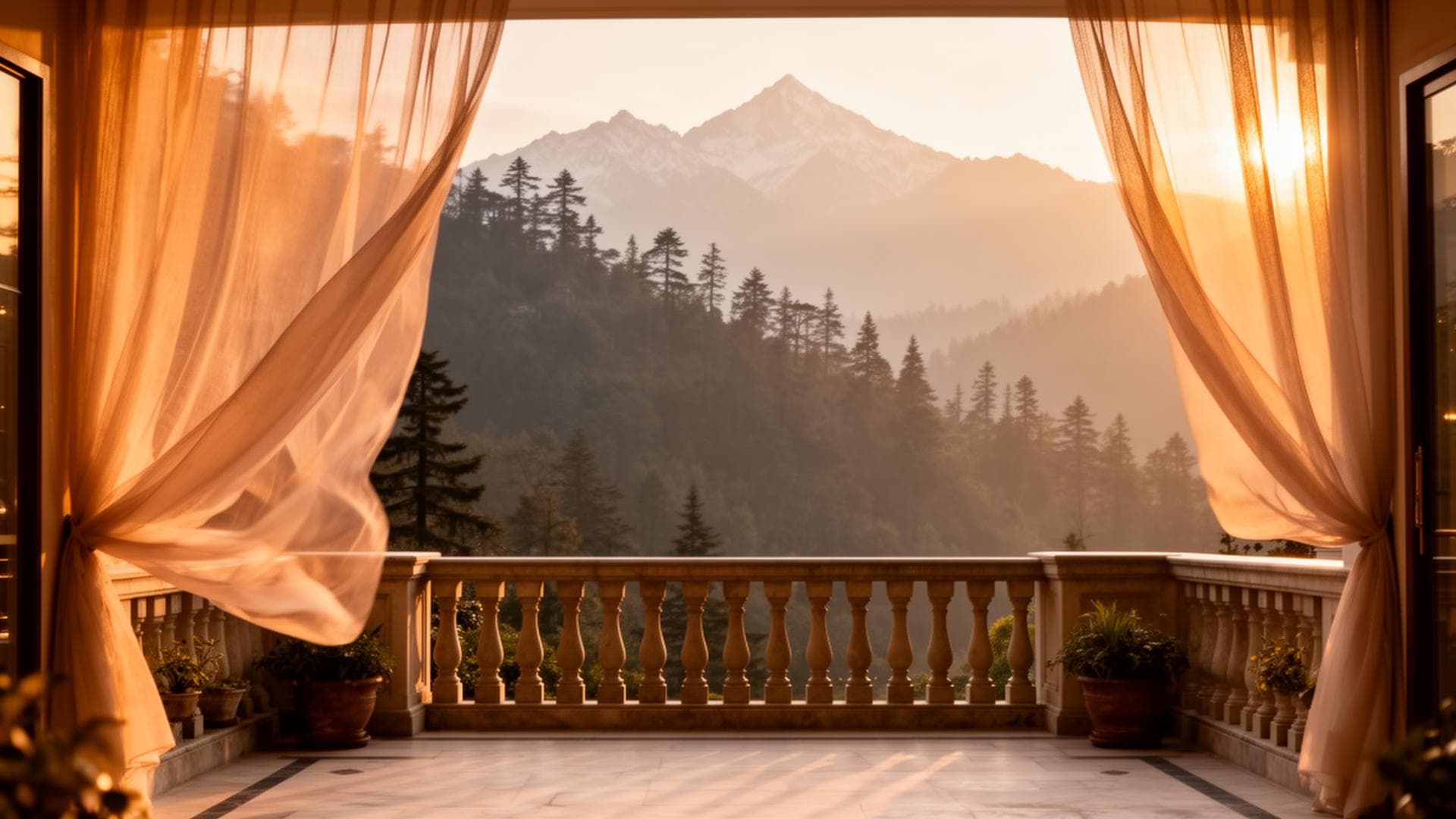
What is it about the Bhurban cedar forest that stays with visitors?
The forest is the place where something leaves you and something arrives. The thing that leaves: the ambient pressure of the city environment, the noise, the traffic, the obligation to manage your face in public. The thing that arrives is harder to name — not tranquility exactly, which is too passive a word for what a forest provides. Something more like attention. The forest makes you attend to it: the bird call, the light shift, the smell of the cedar after yesterday's rain. Attention, returned, is the thing the city has been taking from you. The forest gives it back.
Pakistan's Mountain at Its Best — A Note on What Stays With You
There is a thing that happens when you are standing in the Bhurban cedar forest at 6am, in October, in the cold, before the rest of the group has woken up.
The path is soft under your feet — the cedar needle duff, accumulated for decades, dark and fragrant. The light is arriving from the northeast: the first horizontal light of the day, filtered through cedar needles into dappled patterns on the forest floor. The Koklass Pheasant is calling from somewhere in the understory — you will not see it; you have never seen it; but you have heard it every morning at this hour, which is the relationship the forest offers.
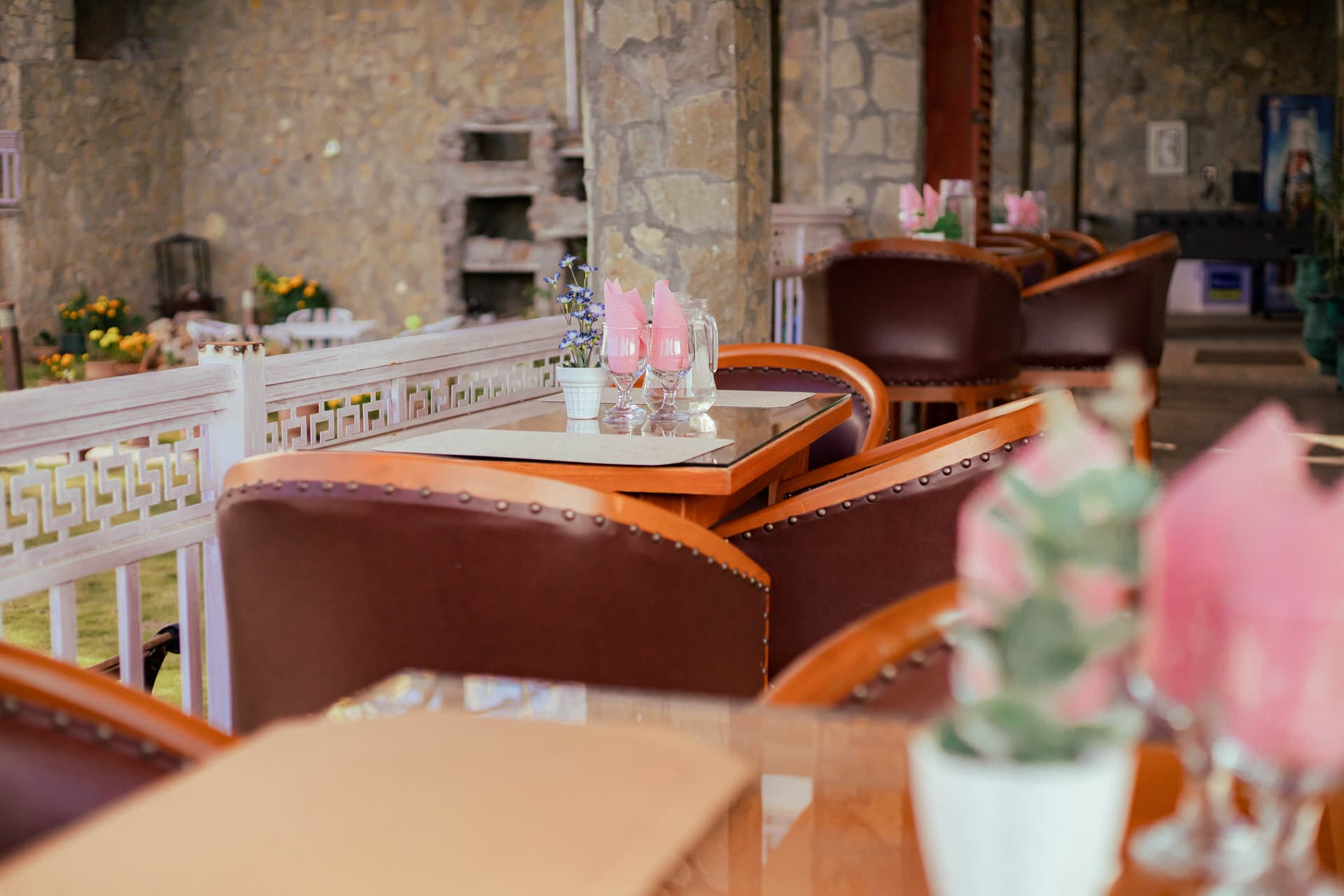
You are not in a remarkable place by the standards of Pakistan's dramatic landscape. You are in a cedar forest at 6,800 feet, 47 kilometres from Islamabad. An hour before, you were in a private villa with an outdoor terrace and a mountain view. In three hours you will eat breakfast on that terrace. Tonight you will sit at the cedar garden fire.
None of this is remarkable by the global mountain standard. The Bhurban cedar forest is not K2 or the Passu Cones or the Hunza Valley. It is a specific, modest, accessible forest in the Murree hills — the kind of place that people who have not been to it describe as just a hill station.
What the Forest Actually Is
It is the place where something leaves you and something arrives. The thing that leaves: the ambient pressure of the city environment, the noise, the traffic, the obligation to manage your face in public. The thing that arrives is harder to name — not tranquility exactly, which is too passive a word for what a forest provides. Something more like attention. The forest makes you attend to it: the bird call, the light shift, the smell of the cedar after yesterday's rain.
Attention, returned, is the thing the city has been taking from you. The forest gives it back.
What Pakistan's Mountain Actually Is
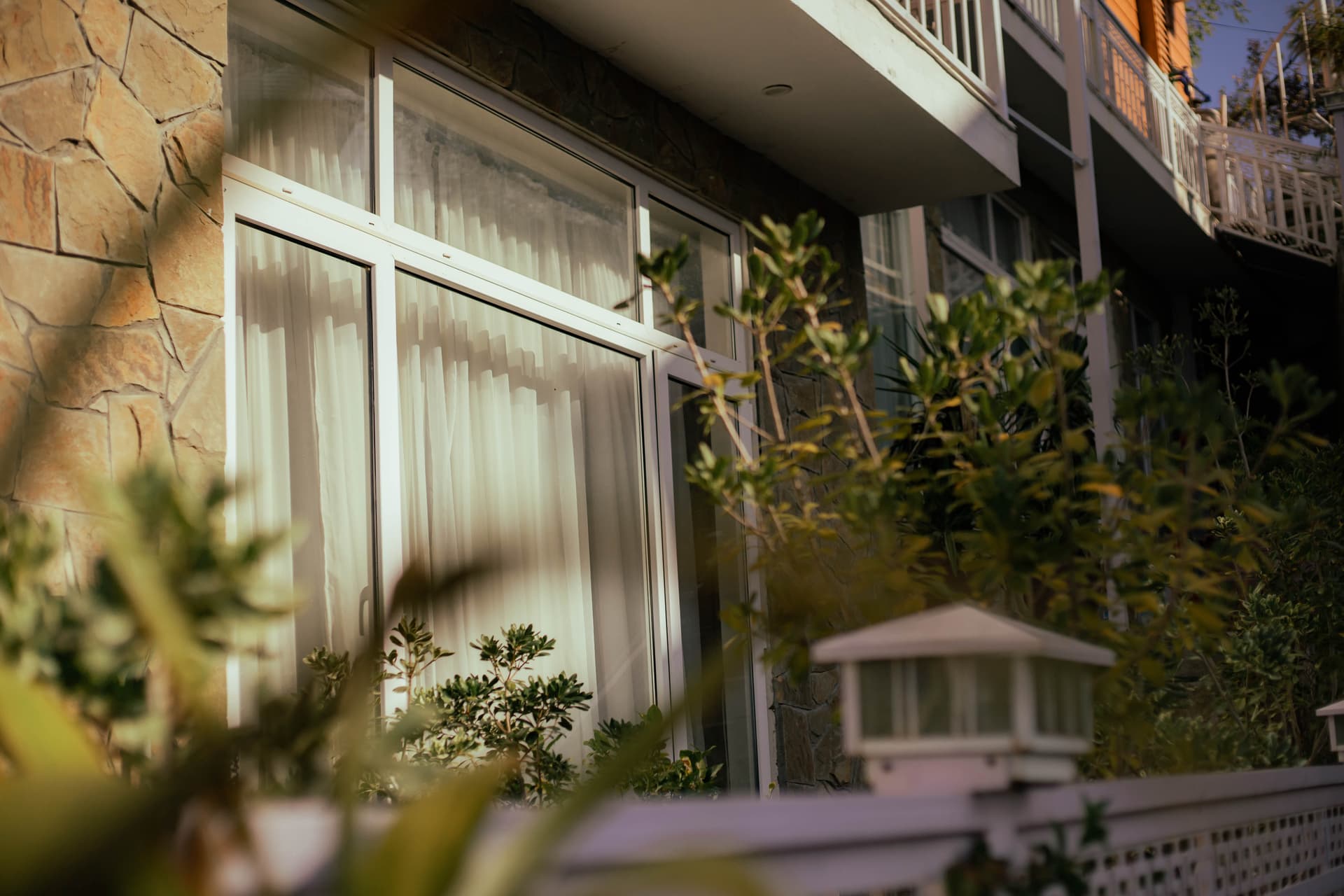
Pakistan's mountain is not only the heroic northern narrative. It is also this: 47 kilometres from the capital, a cedar forest at 6,800 feet, a private villa estate with an outdoor fire pit in a private garden, a private jacuzzi terrace with a 270 degree mountain view, and a sunrise at 6am that nobody in Islamabad who stays at home ever sees.
The people who see the Bhurban sunrise from the Himalayan Penthouse balcony in October, with the mountain ridge catching the first horizontal light and the amber cedar canopy below them, understand something about Pakistan that the news does not convey and the economic data does not capture.
Pakistan has this. It is 47 kilometres from the capital. The cedar forest will be there in the morning.
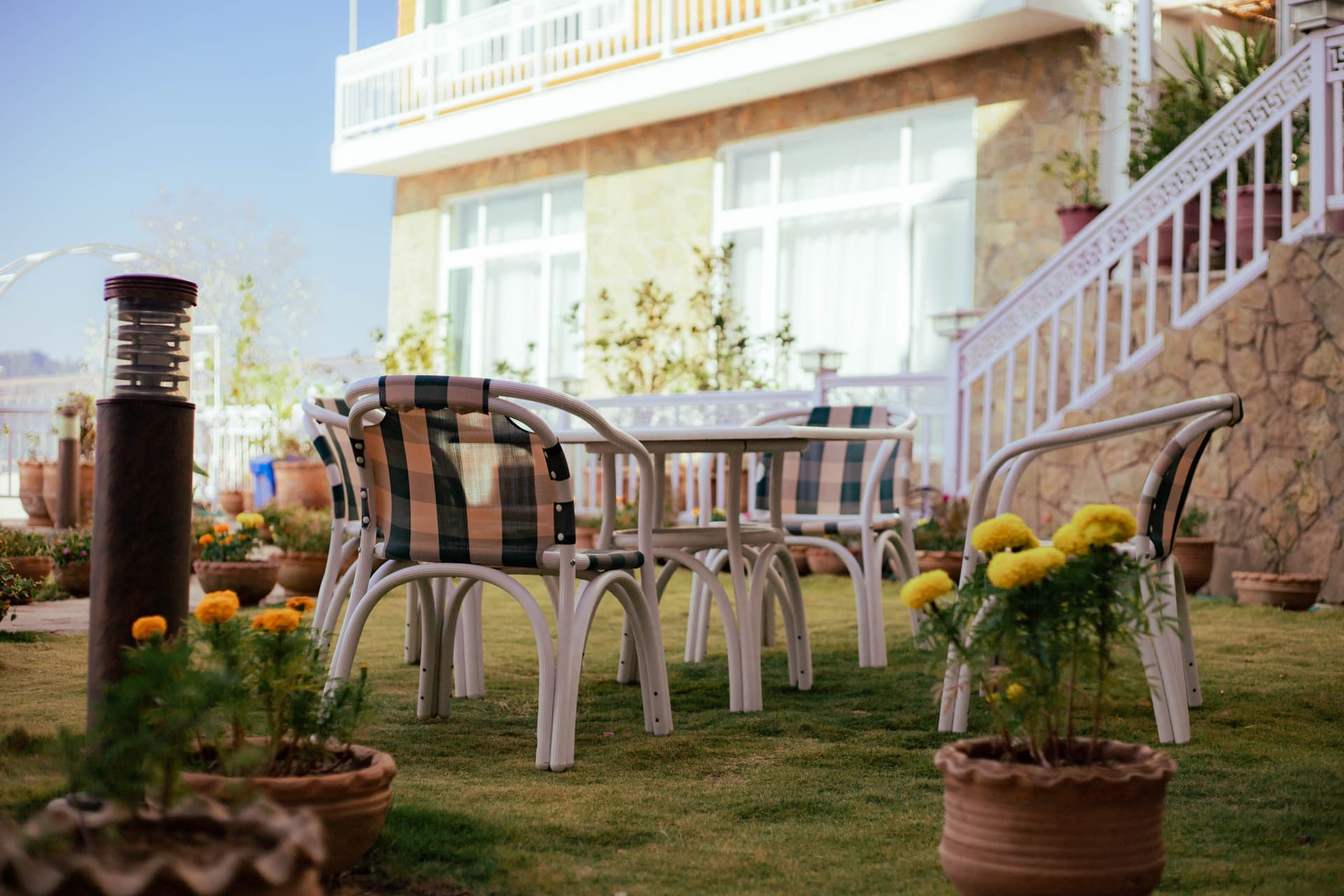
Himalaya Villas & Resorts — The Cedar Forest, Bhurban, 47km from Islamabad
Experience what stays with you.
Book your mountain experience.
Visit himalayavillas.comWhatsApp: +92 304 567 9000