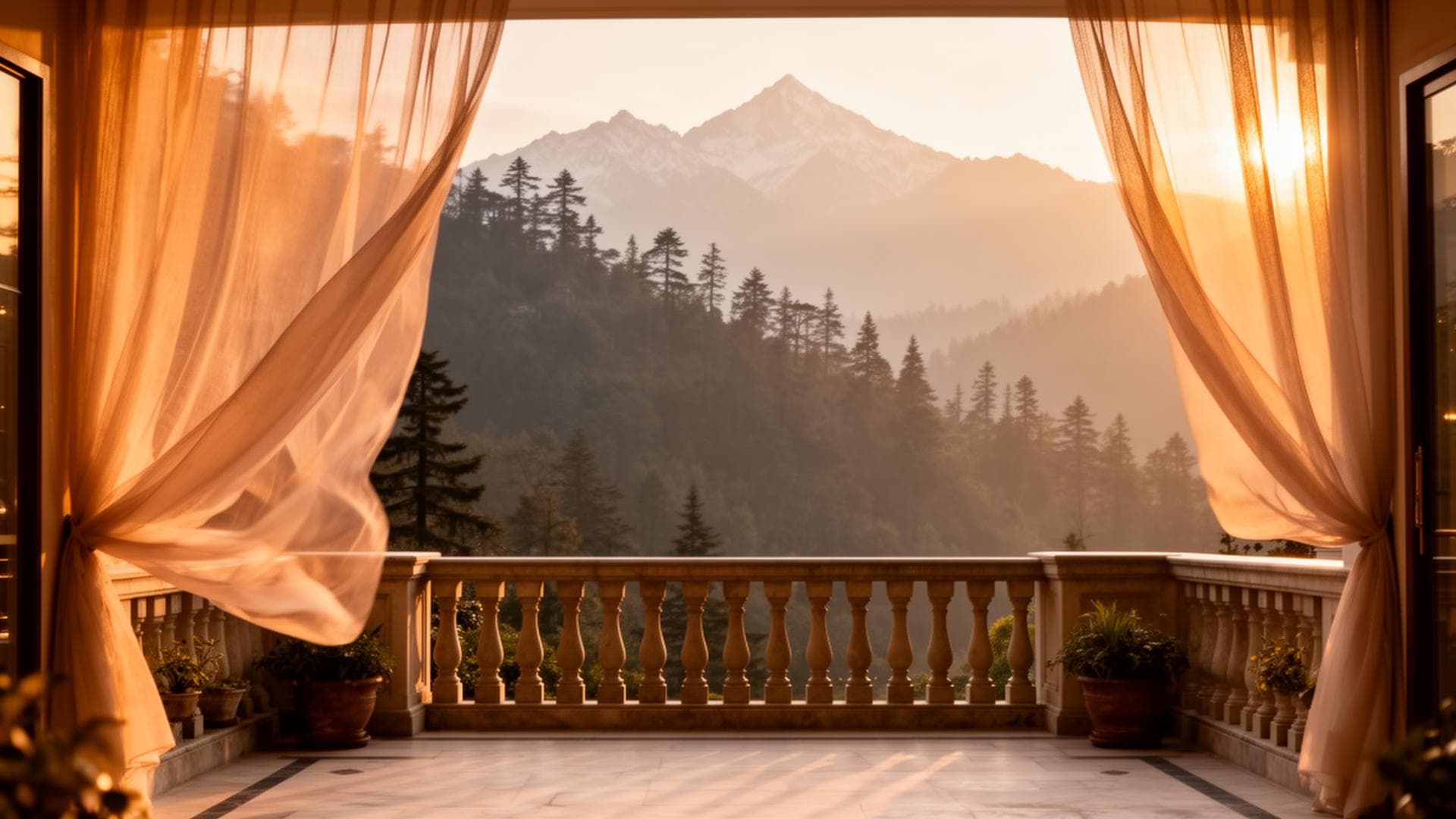
What kind of forest is in Bhurban Murree?
The forest surrounding Bhurban is a sub-alpine mixed forest dominated by Blue Pine (Pinus wallichiana) and Deodar Cedar (Cedrus deodara), with secondary species including Himalayan Oak (Quercus semecarpifolia), Horse Chestnut, Wild Cherry, and Rhododendron at higher elevations. The forest sits at 6,800-8,700 feet above sea level. It is the same forest ecosystem that extends through the Galyat region into Ayubia National Park and up to Nathia Gali — one of the most ecologically significant sub-Himalayan forest zones in Punjab.
The Bhurban Pine Forest — Wildlife, Ecology and Walking Guide
The cedar and pine forest that surrounds Himalaya Villas & Resorts in Bhurban is not a backdrop — it is the reason Bhurban is what it is. The specific character of the stay at 6,800 feet, the quality of the air, the sound environment, the temperature, and the sensory experience of the forest walk at dawn — all of this derives from the ecological integrity of the Bhurban forest.
This guide covers the forest's ecology, what wildlife can be encountered, the best walking routes, and the seasonal changes that make the forest different across each month of the year.
Forest Ecology — The Dominant Species
Seasonal Forest Changes
| Month | Forest Character |
|---|---|
| January-February | Snow on canopy; bare oak branches; blue pine dominant |
| March | First oak budding; forest floor showing early growth |
| April | Full spring growth; wild cherry and horse chestnut blooming |
| May-June | Transitional green; rhododendron flowering at higher elevations |
| July-August | Maximum summer green; undergrowth dense; forest dripping post-rain |
| September | Green persisting; first signs of deciduous yellowing |
| October | Peak autumn colour; amber oak against evergreen pine |
| November | Deciduous trees bare; stark cedar and pine dominant; pre-winter |
Wildlife — Birds
Wildlife — Mammals
The Himalaya Villas Forest Walks
The cedar paths accessible directly from Himalaya Villas' property gate extend 2-4km through the surrounding forest without reaching a public road. These paths are maintained and navigable in all seasons including snowfall conditions. The network provides:
A 45-minute circuit walk: the standard morning walk — suitable for any fitness level
A 90-minute extended walk: reaching the deeper forest sections where the blue pine canopy is most intact and wildlife encounters are most likely
The dawn walk: the most rewarding option — starting just before first light and walking as the forest brightens, the pheasants call, and the temperature begins its morning rise from the minimum
Frequently Asked Questions
Is the Bhurban forest safe for solo walking?
Yes. The forest paths accessible from Himalaya Villas are well-maintained and safe for solo walking. The paths stay within the estate's surrounding forest — there are no remote or isolated areas. Dawn walks in particular are safe and quiet, with the only sounds being forest birds and the wind in the pines.
Can I see wild animals from the Himalaya Villas property?
Wildlife sightings from the property are possible but not guaranteed. Barking Deer are occasionally seen at the forest edge at dawn. Bird activity is consistent throughout the day. Pheasants are most reliably seen on early morning forest walks. The Common Leopard, while present in the region, is nocturnal and extremely unlikely to be encountered by guests.
How to Book
Book Your Forest Stay at Himalaya Villas
Contact us to book your forest stay.
Book Your StayDirect bookings receive the best available rate.