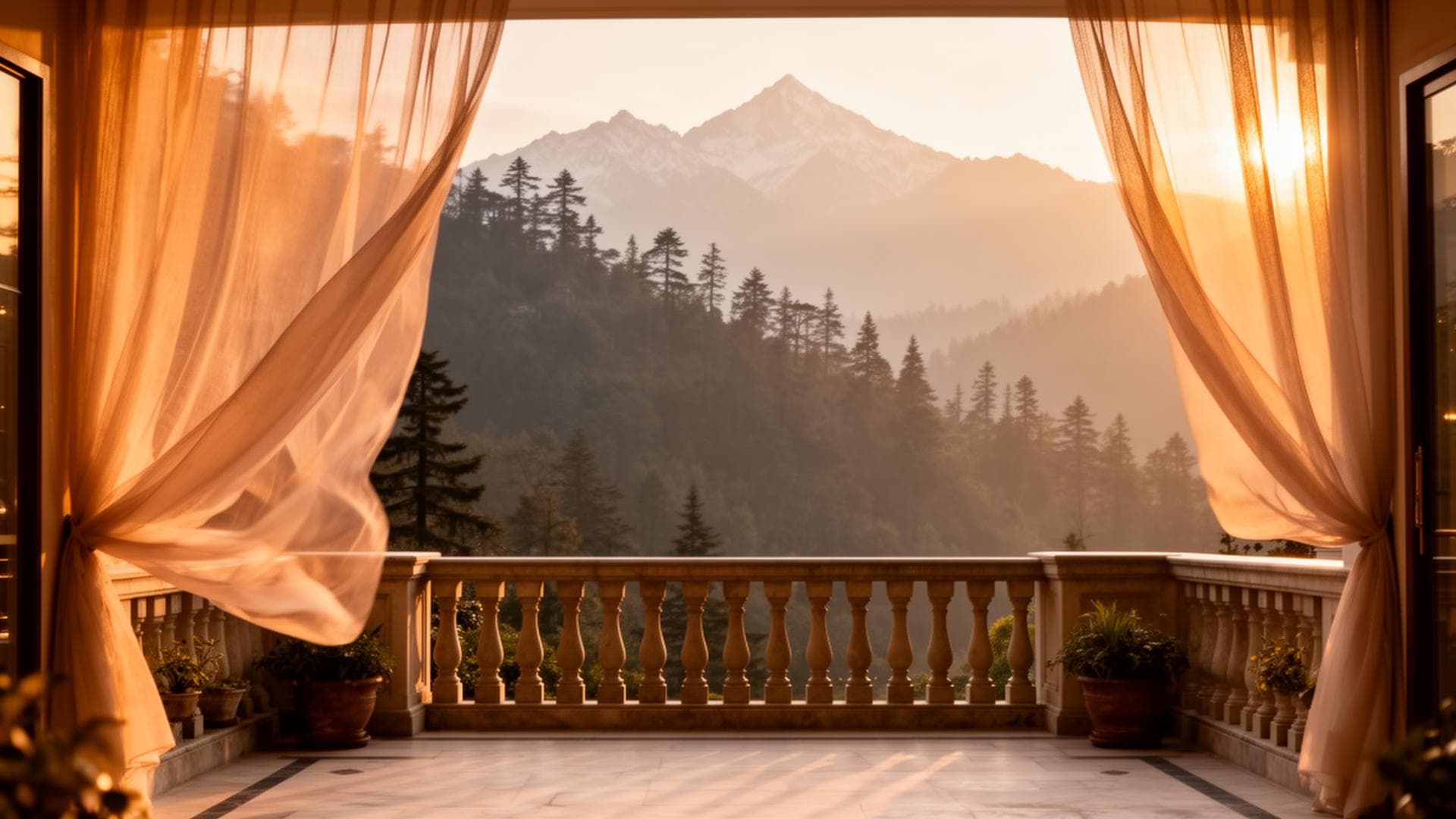
What educational value does the Bhurban cedar forest offer for students and researchers?
The Bhurban-Galyat forest is one of the most accessible field study environments available to Pakistani students. Biology and ecology: over 100 bird species, multiple pheasant species, forest succession visible across different sections. Geography: orographic precipitation observable, temperature lapse rates demonstrable (15-20°C differential from Islamabad), slope stability dynamics visible. Environmental science: a measurable conservation gradient from Ayubia National Park (protected) to community forest (partially disturbed) to Mall Road (developed) across 15km. Himalaya Villas provides accommodation for groups of 10-30+ at the forest's gateway.
What the Cedar Forest Teaches — Learning From Pakistan's Sub-Himalayan Ecosystem
The deodar cedar forest of Pakistan's sub-Himalayan zone is one of the country's most ecologically significant and least publicly understood natural systems. The Bhurban-Galyat forest — the continuous belt of cedar and blue pine stretching from Bhurban northeast through the Galyat chain to Nathia Gali and beyond — is an ecosystem that provides watershed protection, carbon sequestration, biodiversity habitat, and microclimate regulation for one of South Asia's most densely populated regions.
It is also, for educational purposes, one of the most accessible field study environments available to Pakistani students and researchers. The forest is 47 kilometres from Islamabad. Himalaya Villas & Resorts in Bhurban provides the accommodation base. The ecosystem is at the property gate.
What the Forest Contains — Educational Value by Discipline
Field Study Logistics from Himalaya Villas
For educational groups using Bhurban as a field study base: Himalaya Villas provides accommodation for groups of 10-30+ (multi-villa configuration or full estate). The forest immediately accessible from the property gate serves for morning ecological observation and specimen identification. Ayubia National Park (28km, 40 minutes) provides the most intact study environment for longer transect work and the Pipeline Track. Nathia Gali (30km, 45 minutes) provides the higher-elevation comparative study environment.
A 3-night field study stay from Himalaya Villas covers: Day 1 (estate forest and local ecology), Day 2 (Ayubia National Park — pipeline track transect), Day 3 (Nathia Gali comparative elevation study). This covers the primary Bhurban-Galyat ecological gradient in a structured field week.
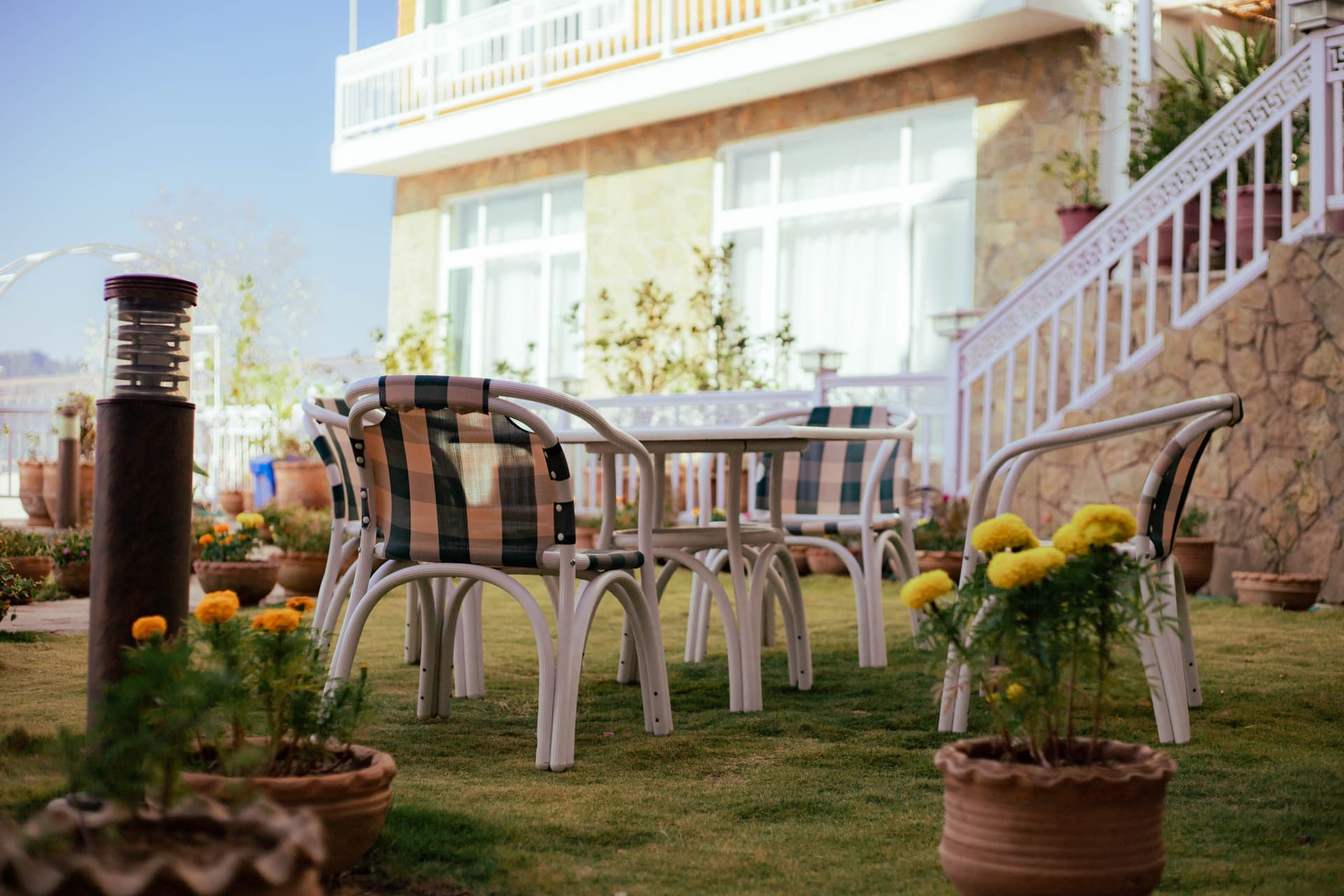
Himalaya Villas & Resorts — Field Study and Environmental Education Groups
Bhurban, at the gateway to the Galyat forest ecosystem.
Book your educational group stay.
Visit himalayavillas.comWhatsApp: +92 304 567 9000