How does Bhurban's private dining model connect to Islamabad's food culture?
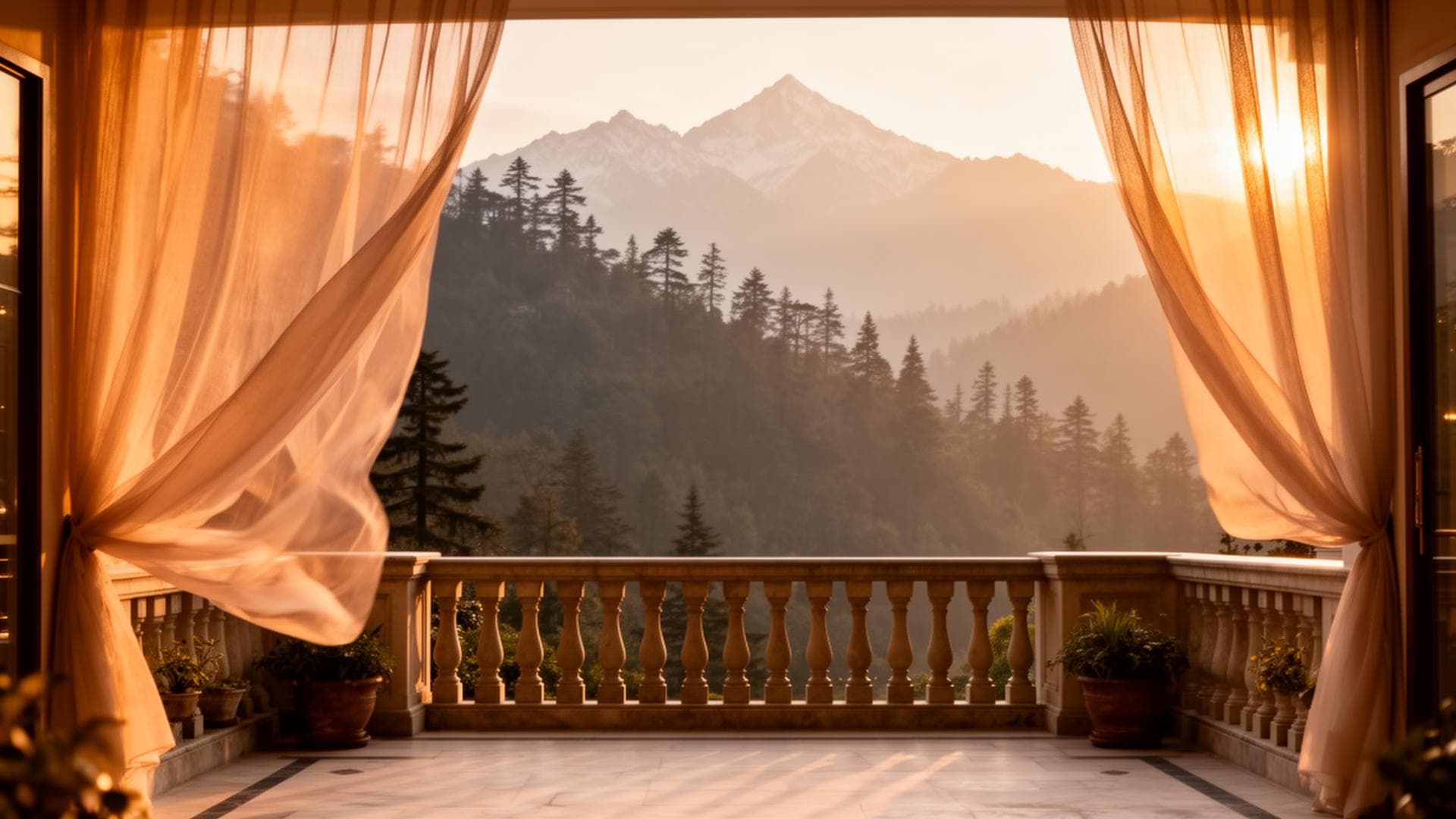
Himalaya Villas' kitchen operates exclusively for the booked guest group — no restaurant, no menu card, no other diners. The culinary register is primarily Pakistani: desi breakfast served at the group's chosen time rather than an 8am hotel window, karahi prepared for specific spice preferences, biryani cooked for 8 people rather than batch production for 80. The mountain dining contexts — pre-sunrise breakfast on the Himalayan Penthouse terrace at 6:30am, cedar garden dinner at dusk with the fire pit lit — are food experiences that Islamabad's best restaurants cannot manufacture. The sourcing dimension adds Galyat honey, fresh mountain walnuts, and seasonal forest mushrooms.
The Islamabad Food Scene's Mountain Extension — Private Dining at 6,800 Feet
Islamabad's restaurant scene has, over the past decade, developed a genuine identity. The F-7 Markaz strip, the emerging F-10 dining corridor, the Blue Area rooftop restaurants — the capital has moved from a civil servants' city of functional dining to a food city with its own opinions, its own chefs, and its own audience.
None of this happens at 6,800 feet. The Islamabad restaurant extends to the Murree Expressway and stops. Bhurban's food culture is the hill station register — bhutta, kashmiri chai, the Mall Road restaurant circuit. The private villa mountain dining at Himalaya Villas & Resorts is the intersection between these two food cultures: the quality of Islamabad's professional kitchen sensibility, at the elevation and privacy of the cedar mountain estate.
The Private Kitchen Model at Himalaya Villas
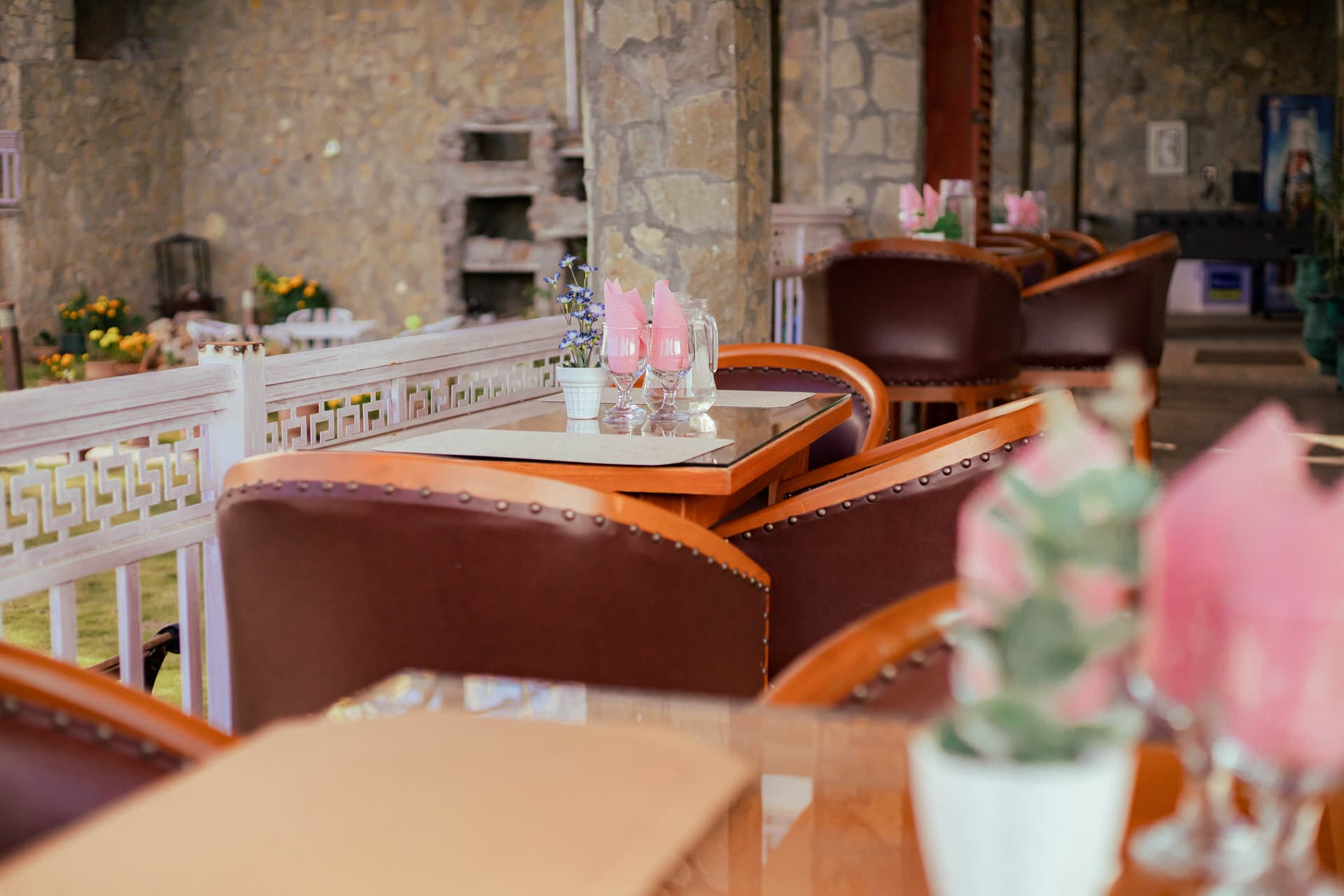
Himalaya Villas' kitchen operates exclusively for the booked guest group — there is no restaurant, no menu card, no other diners. The kitchen team prepares meals based on preferences communicated before arrival: what the group wants to eat, at what time, in what location (private terrace, cedar garden, dining pavilion). This is the hospitality model of a private residence with professional kitchen staff rather than the commercial restaurant.
The culinary register is primarily Pakistani — the desi breakfast that is simultaneously the most overlooked and most satisfying meal in Pakistani food culture, served at the group's chosen time rather than an 8am hotel breakfast window; the karahi prepared for the specific spice preferences of the group rather than a standard restaurant version; the biryani cooked for 8 people rather than a batch production for 80.
The Mountain Dining Contexts
The Sourcing Dimension
Bhurban's position at the gateway to the Galyat region — the sub-alpine mountain chain between Murree and Abbottabad — gives its kitchen access to produce that Islamabad's restaurants source with difficulty or not at all: Galyat honey from Nathia Gali local producers, fresh mountain walnuts in autumn, seasonal forest mushrooms in the monsoon, local dairy products from the Bhurban area farms. These are ingredients that add a specific place-character to mountain cooking that flatland sourcing cannot replicate.
For Islamabad food enthusiasts whose dining vocabulary extends to provenance and sourcing, the in-villa dining at Himalaya Villas is a genuine addition to the conversation — not just because the setting is extraordinary, but because the ingredients are specific to the place.
Himalaya Villas & Resorts — The Mountain Table, 45 Minutes from Islamabad
Experience the mountain private dining.
Book your culinary mountain retreat.
Visit himalayavillas.comWhatsApp: +92 304 567 9000