What does the Bhurban cedar forest reveal about Pakistani identity and the relationship between city and mountain?
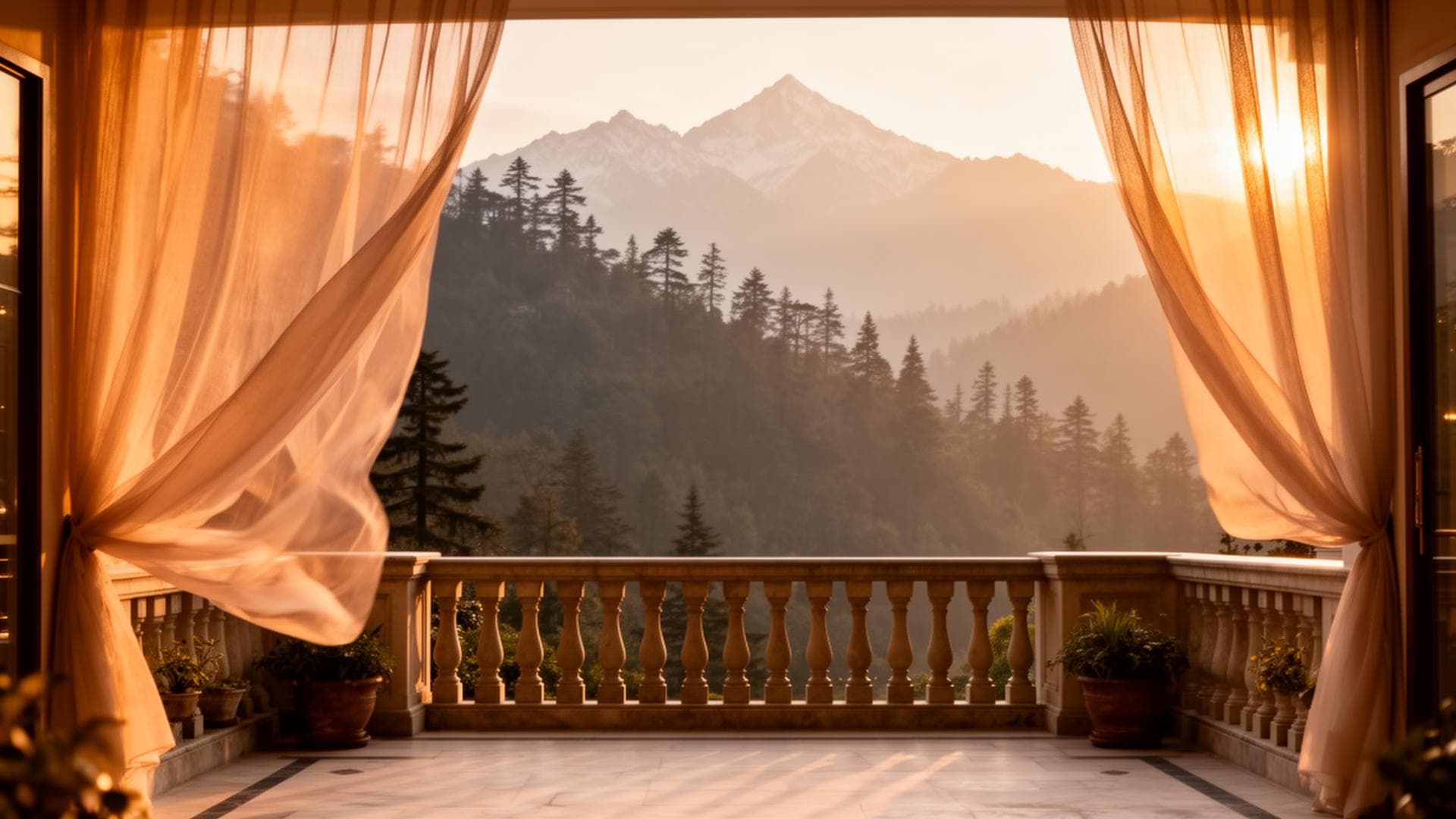
The cedar forest has been here longer than the cities. The deodar trees are centuries old. Coming to the cedar forest is a return to something older than the country itself. Pakistan's cities have become sufficiently complete environments that it is possible to live entirely within them and experience a Pakistan that is almost entirely human-made. The cedar forest at 6,800 feet adds the dimension of the natural Pakistan — the landscape that preceded the cities and will, in some form, outlast them. Spending two days in this forest adds this dimension to a Pakistani family's self-understanding. Domestic travel in Pakistan is not merely a consumer preference but a form of national self-knowledge.
The Mountain and the City — What Pakistan's Cedar Forest Says About Who We Are
There is a thing that happens when a Pakistani family from Lahore or Islamabad or Karachi arrives at the cedar forest of Bhurban at 6,800 feet. It is not the thing that travel writing usually describes — the wonder, the beauty, the Instagram moment. It is something more quiet and more significant: a recognition.
The cedar forest has been here longer than the cities. The deodar trees whose canopy covers the Bhurban estate are centuries old. Pakistan's cities are not. The forests that define the landscape of the sub-Himalayan zone — the Blue Pine forest, the cedar stands, the oak and rhododendron of the Galyat region — were here before Partition, before the British hill stations, before any of the architecture of the Pakistan that contemporary Pakistanis inhabit.
Coming to the cedar forest is, in this sense, a return to something older than the country itself. And this recognition — this encounter with the older ground beneath the newer structures — is what makes the Bhurban visit feel different from other travel.
The City as a Complete World
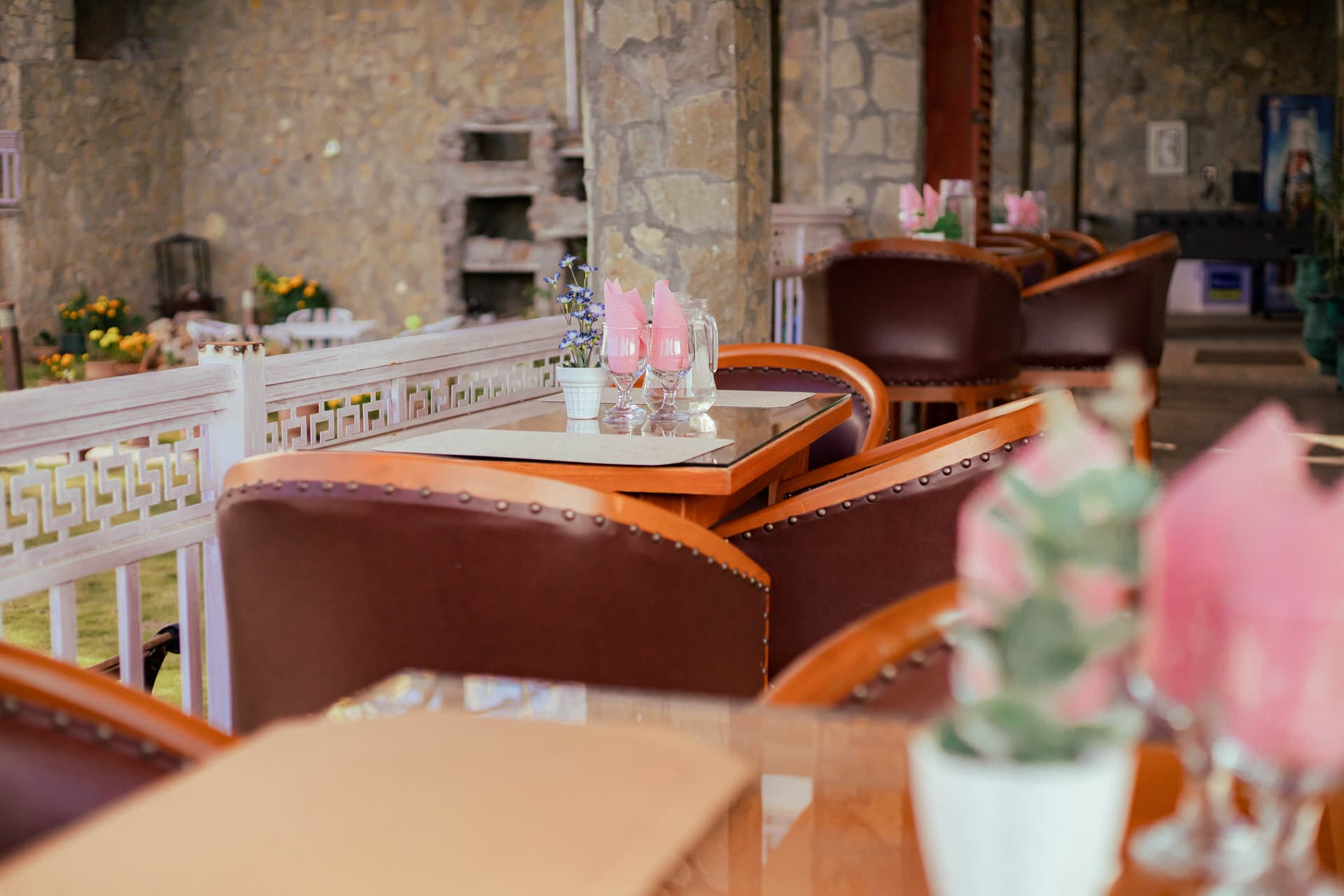
Pakistan's cities — Islamabad, Lahore, Karachi, Rawalpindi — have become sufficiently complete environments that it is possible to live entirely within them and experience a Pakistan that is almost entirely human-made. The road, the building, the shop, the phone — the sensory field of the contemporary Pakistani city is almost entirely a product of human manufacture. The natural world appears in it as remnant — the Margalla Hills visible from F-10, the Lahore canal, the Karachi sea glimpsed between buildings — rather than as the dominant term.
This is not a criticism. Cities are where most Pakistanis choose to live because cities are where opportunity, culture, and community are concentrated. The city is a real and valid environment for human life. But it is an incomplete account of what Pakistan is.
What the Mountain Adds
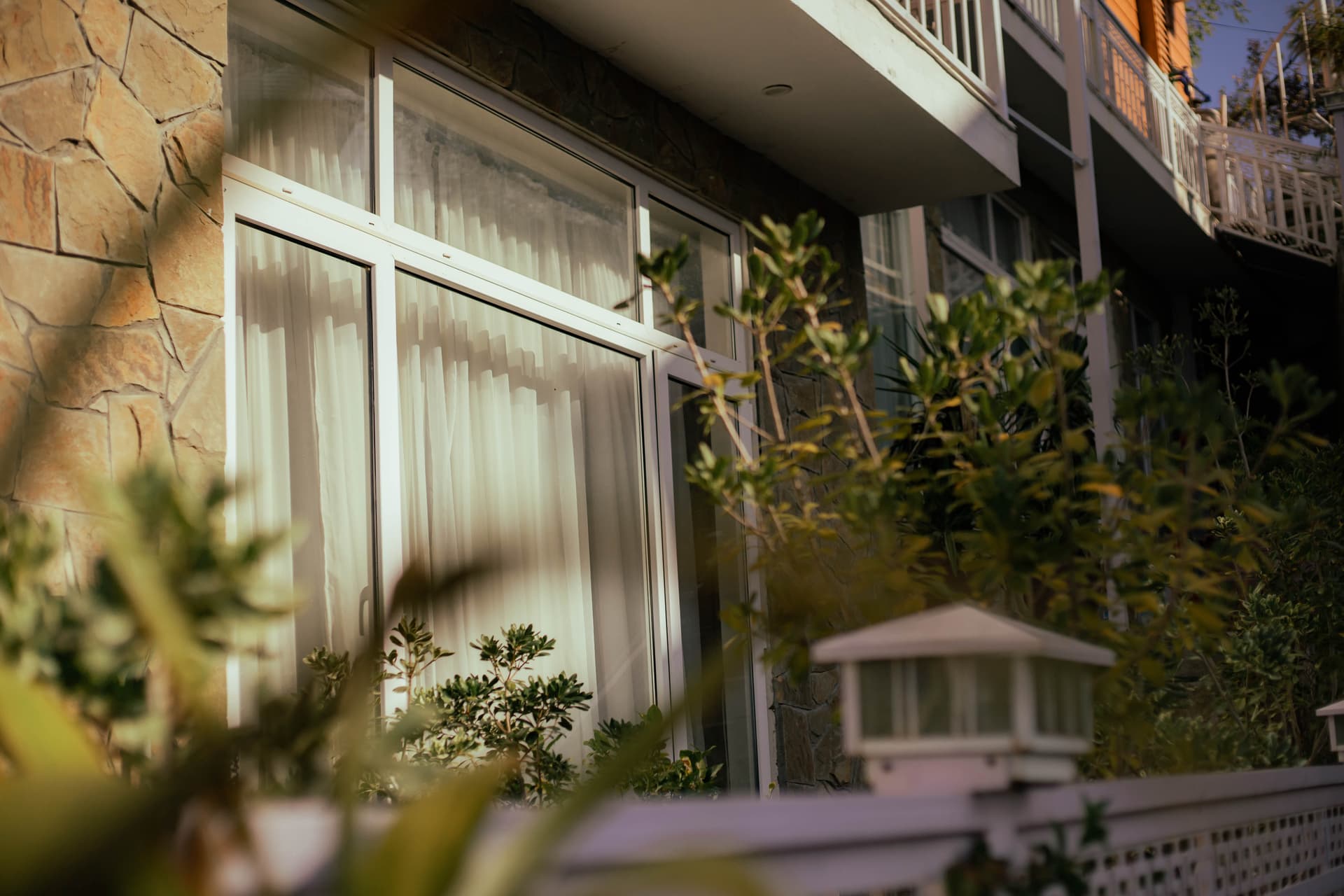
The cedar forest at 6,800 feet adds the dimension of the natural Pakistan — the landscape that preceded the cities and will, in some form, outlast them. The deodar cedar forest of the Bhurban hills has survived the Mughal empire, the British colonial administration, Partition, and the decades of independent Pakistan's development. It has been cut, disturbed, and partially degraded — and it has also persisted, because the conditions that produce it (elevation, rainfall, temperature) persist.
Spending two days in this forest — walking the cedar paths at dawn, eating dinner on a private terrace with the mountain ridge visible above the canopy, sitting at a fire in the cedar garden at midnight with the mountain sky above — adds this dimension to a Pakistani family's self-understanding. This landscape is also Pakistan. This forest, this elevation, this specific atmosphere — also ours.
The Domestic Travel as National Self-Knowledge
There is an argument — insufficiently made — that domestic travel in Pakistan is not merely a consumer preference but a form of national self-knowledge. The Pakistani family that travels internationally for the mountain experience it cannot find at home, and has genuinely not looked, is making a statement about which aspects of Pakistan they consider worth discovering.
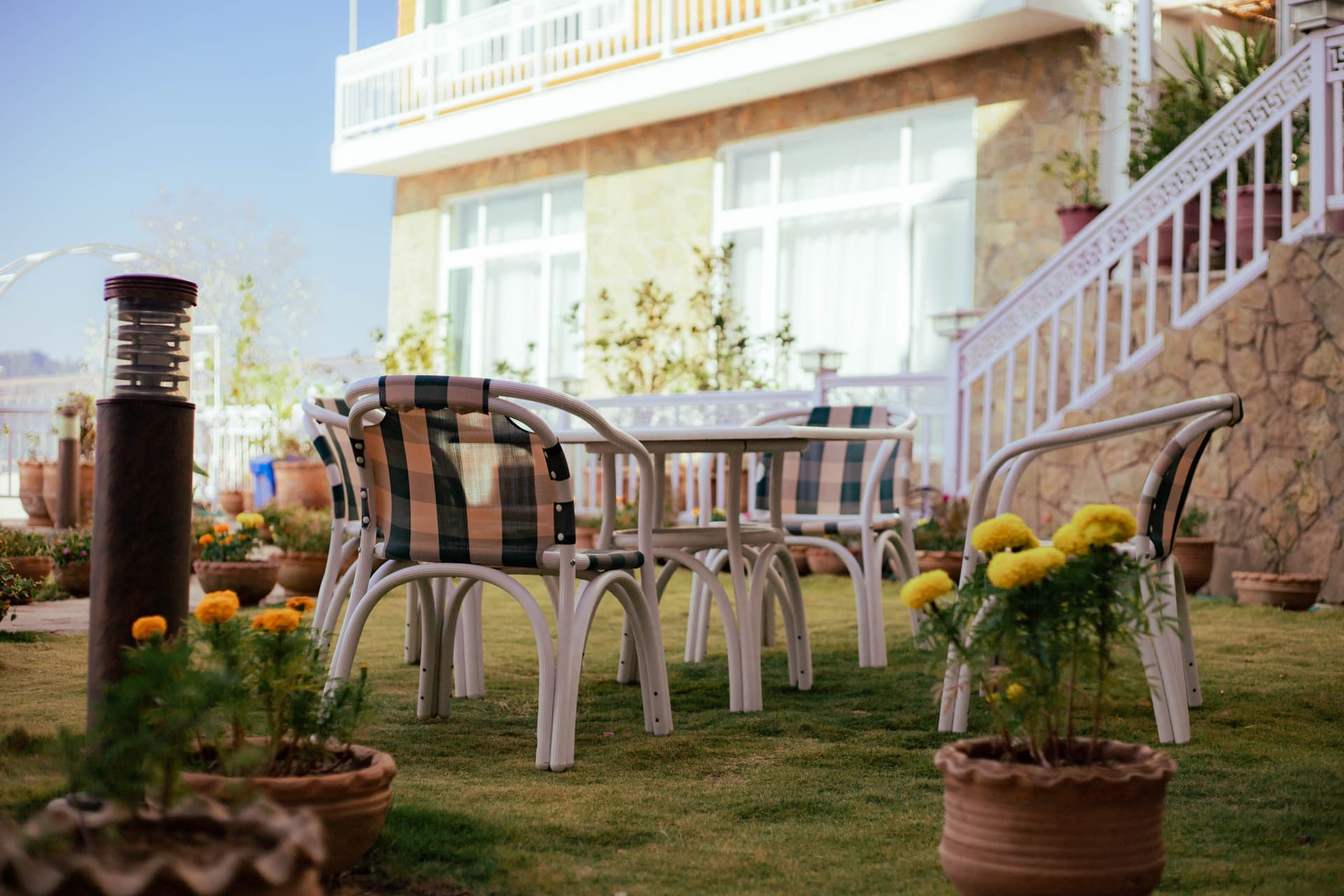
The cedar forest at 6,800 feet, 45 minutes from Islamabad, is available. The private estate that makes it accessible in comfort — Himalaya Villas & Resorts, the cedar garden, the mountain terrace, the fire — is available. The discovery that this exists and is excellent has been made by a growing number of Pakistani families and will, over the next decade, be made by many more.
But the discovery is not just of a travel destination. It is of a part of the country that the cities, for all their completeness, do not contain. The recognition at the cedar gate — the awareness of trees that are older than the state, of forest that the cities are built at the edge of, of mountain air that the cities filter out — is the discovery of a dimension of Pakistan that urban life conceals.
This is what the cedar forest says about who we are: that there is more of Pakistan than the cities contain, and that the mountains at the edge of the plains have always been there, waiting for the people who built the cities to turn around and look.
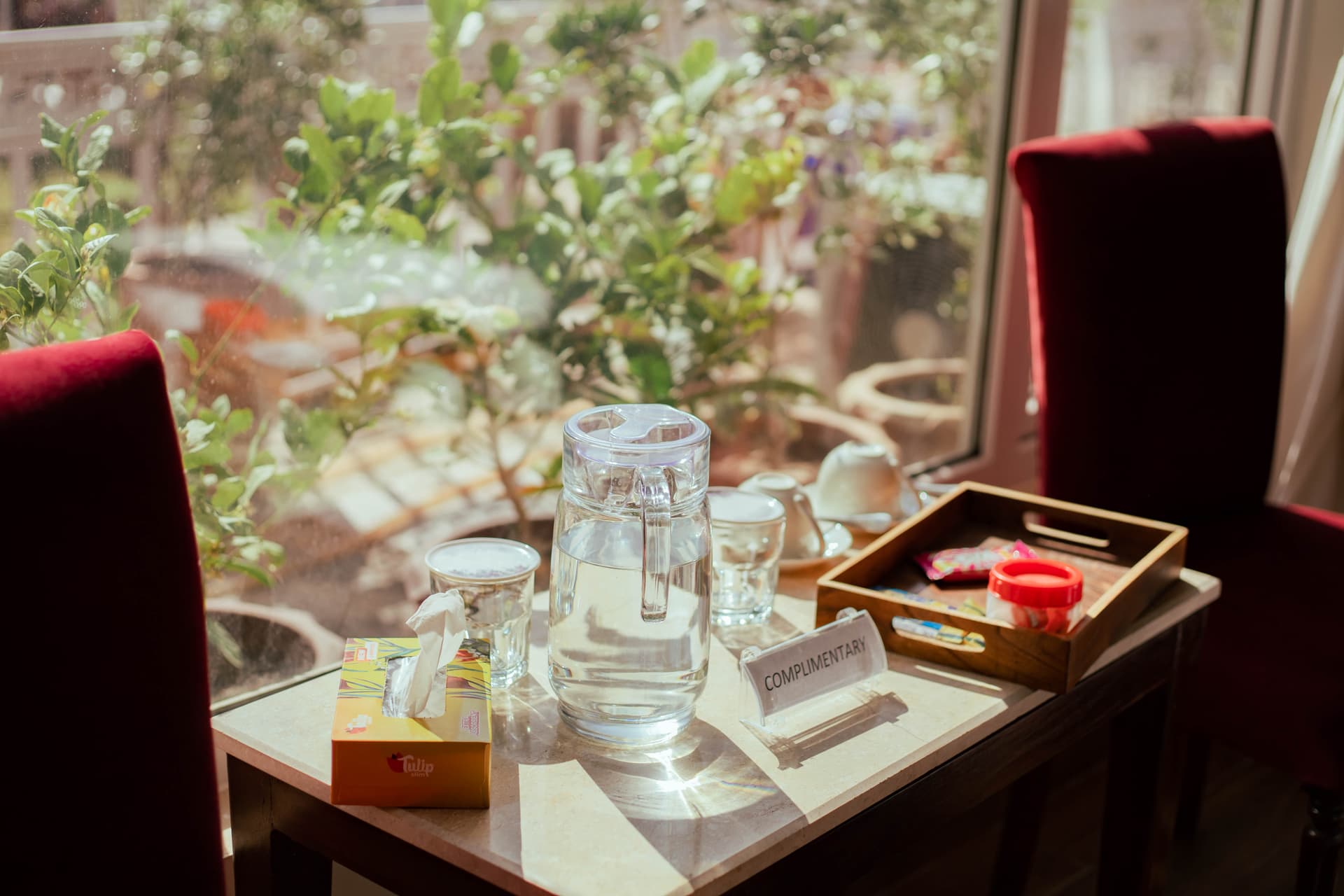
Himalaya Villas & Resorts — The Cedar Forest, 45 Minutes from Islamabad
Discover what the mountain reveals.
Book your mountain and city experience.
Visit himalayavillas.comWhatsApp: +92 304 567 9000